How to Publish Games Online: A 2026 Guide
You’ve poured countless hours into designing characters, building worlds, and perfecting gameplay. The creative journey has been thrilling, but the final, most crucial step lies ahead: sharing your creation with the world. Knowing how to publish games online is the bridge between being a hobbyist and a published game developer. In 2026, the pathways to publication are more accessible than ever, but navigating them requires a clear strategy. This guide provides a step-by-step process to get your game out of development and into the hands of players.
Step 1: Finalize and Polish Your Game
Before you even think about a launch button, ensure your game is truly ready for the public. A player’s first impression is permanent, and a buggy or incomplete game can stop your project’s momentum before it starts. This final phase is all about quality assurance (QA) and polish.
- Bug Testing: Hunt down and squash every bug you can find. Play through your game repeatedly, and more importantly, have others play it. Fresh eyes will spot issues you’ve become blind to.
- Gather Feedback: Enlist a small group of beta testers. They can provide invaluable feedback on gameplay balance, difficulty, and overall enjoyment. Listen to their critiques and be prepared to make changes.
- Finalize Assets: Ensure all art, sound effects, music, and UI elements are complete and consistent. This final layer of polish significantly elevates the player’s experience.
Tip: A polished game feels professional and respects the player’s time and money. Don’t rush this stage; it’s your best opportunity to make a strong first impression.
Step 2: Choose the Right Publishing Platform
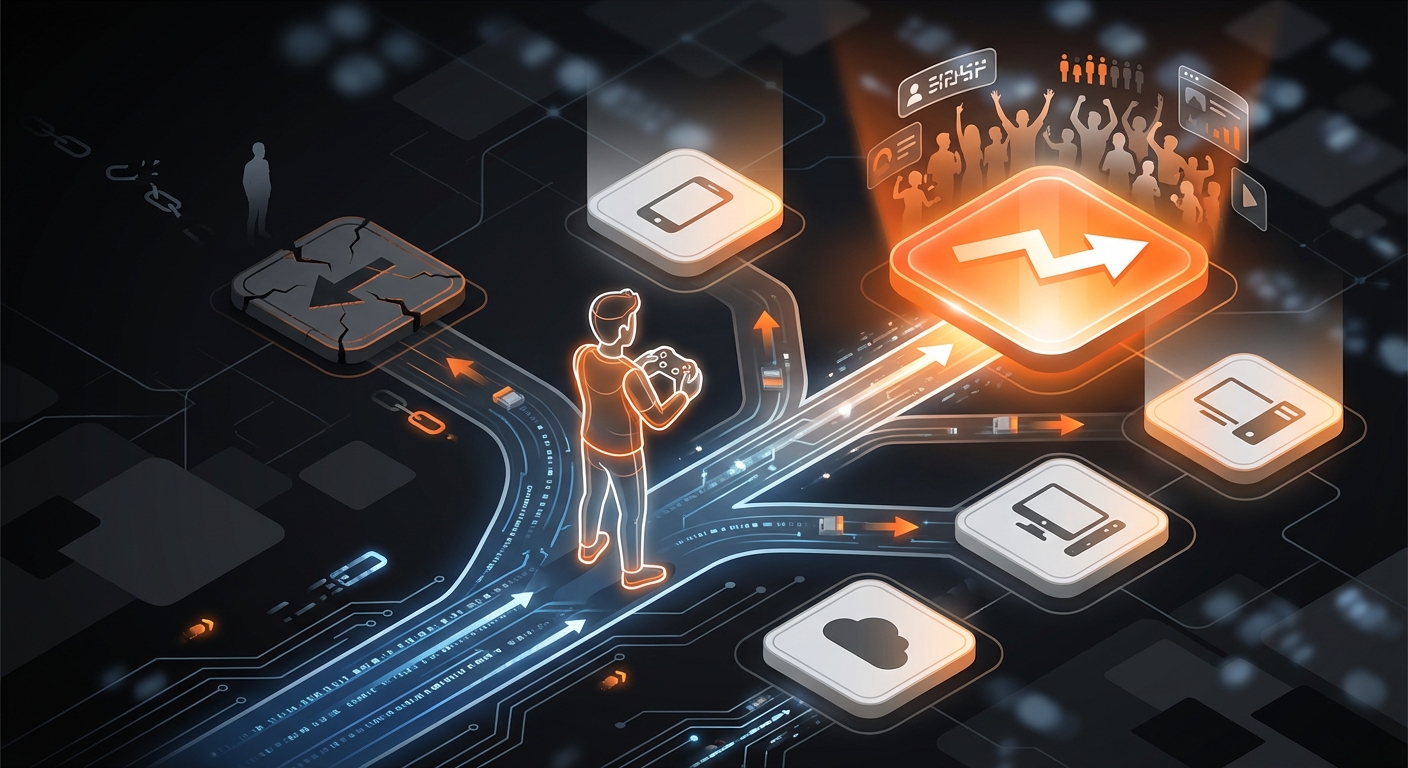
Where you publish your game is one of the most significant decisions you’ll make. The right platform can connect you with a massive, eager audience, while the wrong one can leave your game in obscurity. Here are the primary categories in 2026.
Web-Based Platforms (Instant Play)
These platforms, like Itch.io, Newgrounds, and Kongregate, allow users to play games directly in their browser. They are fantastic entry points for new developers.
- Pros: Low barrier to entry, direct and fast upload process, great for building a community and gathering initial feedback.
- Cons: Monetization can be challenging, and the marketplace is often crowded, making discovery difficult.
For creators who want the ultimate simplicity, modern tools are changing the game. Platforms like MakeGamesWithAI integrate instant publishing, allowing you to go from concept to a shareable, playable web link in seconds, completely bypassing complex upload procedures. This is a key advantage of leveraging what is AI game development? A 2026 guide for your projects.
PC Game Storefronts
Major storefronts like Steam, the Epic Games Store, and GOG are the goal for many developers. They offer access to millions of PC gamers.
- Pros: Huge potential audience, robust backend tools for sales and community management, established trust with consumers.
- Cons: Often involves an upfront fee (like Steam Direct), a rigorous review process, and a significant revenue share (typically around 30%).
Mobile App Stores
The mobile market is enormous. Publishing on the Apple App Store or Google Play Store can be incredibly lucrative if your game is a good fit for on-the-go play.
- Pros: Access to billions of mobile users, well-integrated monetization systems (IAPs, ads).
- Cons: Requires a specific mobile build, strict and sometimes lengthy review processes, and annual developer fees.
Choosing the right option depends on your game, your target audience, and your goals. For a deeper dive, check out this list of the 5 best no-code game platforms in 2026, many of which simplify the publishing process.
Step 3: Prepare Your Store Page and Marketing Materials
Publishing a game isn’t just about uploading a file; it’s about selling an experience. Your store page is your primary sales pitch. It needs to be professional, compelling, and clear.
Your marketing package should include:
- A Captivating Game Trailer: This is often the first thing a potential player will see. It should be short (60-90 seconds), showcase exciting gameplay, and set the tone for your game.
- High-Quality Screenshots: Select a variety of screenshots that highlight your game’s best features, most beautiful environments, and most intense moments. Avoid showing only menus or static scenes.
- A Well-Written Description: Clearly explain what your game is, what makes it unique, and who it’s for. Use engaging language and break up text with bullet points for readability.
- An Eye-Catching Icon and Banner: These are your game’s visual identity on the storefront. They need to be sharp, professional, and representative of your game’s style.
Step 4: Understand Monetization and Pricing
How will you earn money from your game? You need to decide on your pricing strategy before you publish. The most common models in 2026 are:
- Premium: A one-time upfront cost to buy the game.
- Free-to-Play (F2P) with In-App Purchases (IAPs): The game is free, but players can buy cosmetic items, currency, or content.
- Ad-Supported: The game is free, and you earn revenue by showing ads to players.
- Donation/Pay-What-You-Want: Common on platforms like Itch.io, allowing players to support you directly.
Your choice of monetization should align with your game’s design. A competitive multiplayer game might suit a F2P model, while a story-driven single-player experience is a better fit for a premium price.
Step 5: The Technical Process of Submission
This is where you package your game and submit it to your chosen platform. Each platform has its own specific technical requirements, but the general process involves creating a final “build” of your game—a compiled, executable version that players will download.
You’ll need to carefully read the documentation for your chosen platform (e.g., Steamworks for Steam) and prepare your files accordingly. This can involve setting up achievements, configuring your store page in their backend system, and uploading your build for review.
Warning: This step can be technically challenging for beginners. This is where no-code solutions provide a massive advantage. For example, platforms that let you build games without coding in 2026 often handle the entire build and deployment process for you, reducing a complex technical hurdle to a single click.
Step 6: Launch Day and Post-Launch Support
Congratulations, you’re about to launch! But the work doesn’t end when you press the publish button. A successful launch requires continued effort.
- Announce Your Launch: Share the news everywhere—on social media, in your Discord community, and with any press or influencers you’ve connected with.
- Monitor Feedback: Keep a close eye on reviews, forums, and social media. Be ready to respond to player feedback, both positive and negative.
- Patch and Update: No game launches perfectly. Be prepared to quickly patch any critical bugs that players discover. Regular content updates can also keep your community engaged long-term.
This post-launch phase is critical for building a good reputation as a developer. For more advice, review these top 10 game development tips for beginners in 2026.
Common Mistakes to Avoid When Publishing Online
Many aspiring developers stumble at the final hurdle. Avoid these common pitfalls:
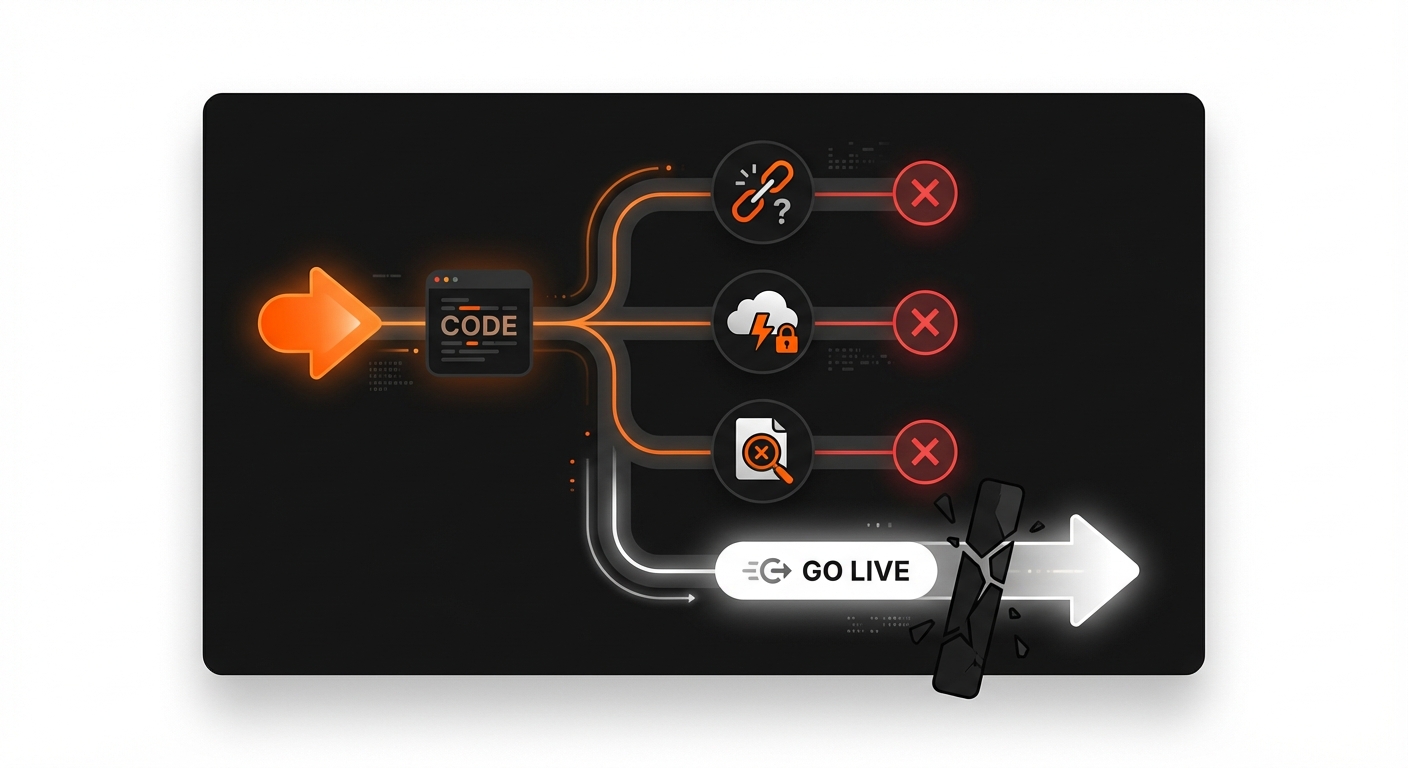
- Neglecting Marketing: The “if you build it, they will come” mentality is a myth. You must actively promote your game to find an audience.
- Launching a Buggy Game: A poor technical state at launch will lead to negative reviews that are very difficult to recover from.
- A Weak Store Page: Low-quality screenshots, a confusing description, or a bad trailer will deter potential buyers before they even consider your game.
- Ignoring Your Community: Don’t release your game and disappear. Engaging with your players builds loyalty and provides crucial feedback for future updates and projects.
Expected Outcome: You’re a Published Developer
By following these steps, you will successfully navigate the journey of online game publication. You will have transformed your project into a finished product available to a global audience. Your game will have a professional store page, a clear monetization strategy, and a plan for post-launch support. You will have officially become a published game developer.
The path from an idea to a live game has never been more accessible. With the rise of powerful AI and no-code tools, the technical barriers that once stood in the way are disappearing. If you’re looking to streamline this entire process, platforms like MakeGamesWithAI are designed to help you create, customize, and instantly publish your games, letting you focus on what truly matters: your creative vision.