How to Create Characters in Games: A 2026 Guide
From the stoic determination of a space marine to the whimsical charm of a forest creature, game characters are the heart and soul of the interactive experiences we love. They are the player’s window into a new world, the drivers of the narrative, and the reason we feel triumphant or heartbroken. Learning how to create characters in games is a fundamental skill for any aspiring developer, and in 2026, it’s more accessible than ever. Modern tools have democratized this creative process, allowing anyone to bring their unique visions to life.
This guide will walk you through a step-by-step process for creating compelling, memorable characters for your games, whether you’re a seasoned artist or a complete beginner.
Why Character Design is Crucial for Your Game
Before we dive into the ‘how,’ let’s establish the ‘why.’ A well-designed character does more than just look good. They:
- Establish an Emotional Connection: Players are more likely to invest in a game’s story if they can relate to or root for the characters.
- Communicate Gameplay: A character’s design—their size, posture, and equipment—can instantly tell a player about their abilities and role in the game.
- Define the Game’s Tone: A gritty, realistic character sets a very different tone than a vibrant, cartoonish one. Your character is a key part of your game’s identity.
Step 1: Conceptualize Your Character’s Core Identity
Every great character begins with a core idea. Before you think about what they look like, you need to know who they are. This is the foundation upon which everything else is built.
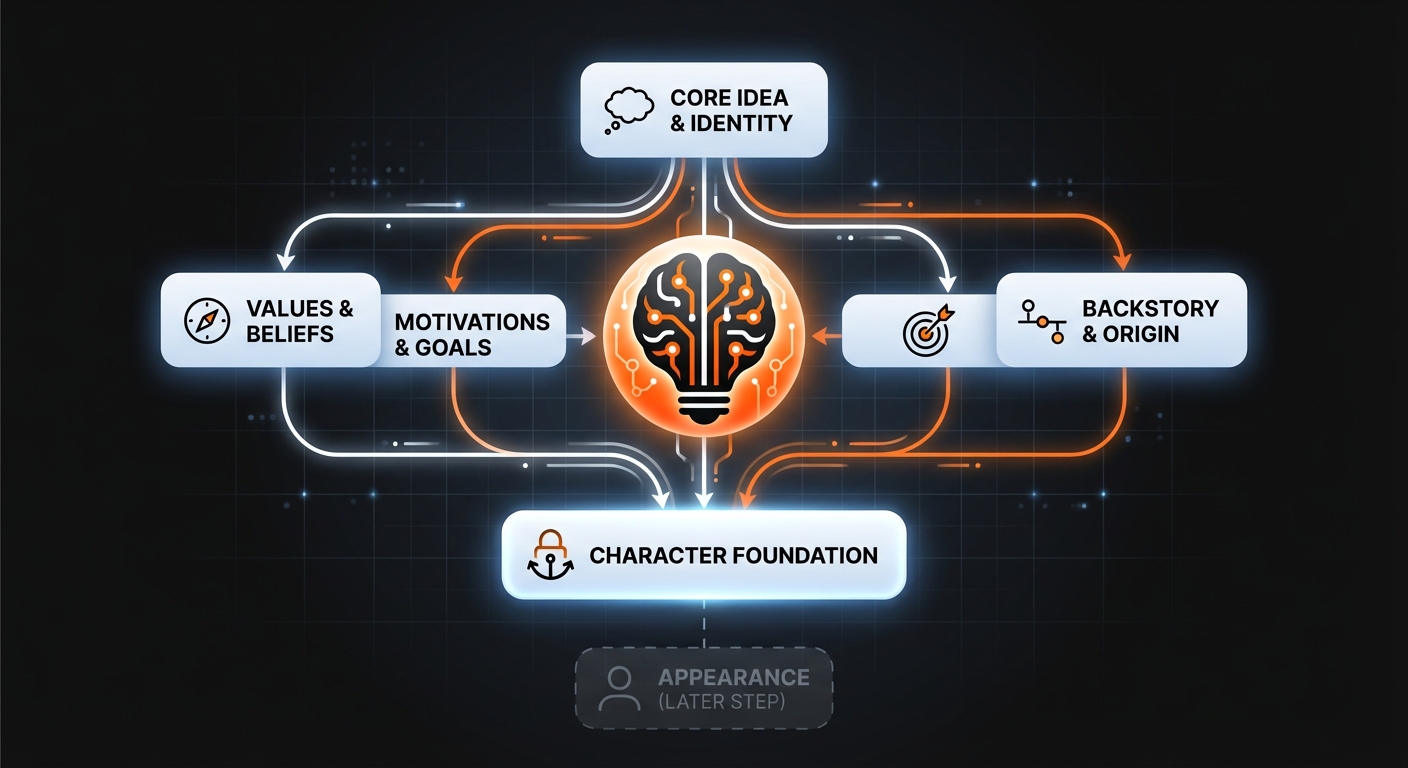
Start by asking fundamental questions:
- What is their role? Are they the protagonist, a wise mentor, a cunning villain, or a quirky non-player character (NPC) who gives out quests?
- What is their primary motivation? What drives them? Is it revenge, the pursuit of knowledge, a desire for justice, or simply to protect their home?
- What is their core conflict? A character’s internal or external struggles make them interesting. Are they a pacifist forced to fight? A hero with a dark secret?
Tip: Think in terms of a simple, one-sentence pitch for your character. For example: “A reclusive librarian who discovers they are the last in a line of ancient magic-wielders and must overcome their fear of the outside world to save it.”
Step 2: Develop the Backstory and Personality
With a core concept in place, you can start adding layers of depth. A character’s history and personality traits inform their decisions, dialogue, and reactions to the game’s events. You don’t need to write a novel, but a solid outline is essential.
Key Personality Traits
Choose three to five dominant personality traits. Are they brave, sarcastic, naive, cynical, or optimistic? These traits will guide how you write their dialogue and script their actions. A brave character will charge into battle, while a cautious one might look for a stealthy alternative.
Crafting a Backstory
Their backstory explains why they have these traits. Where did they grow up? What significant events shaped their worldview? A simple bio that outlines their origin, key life events, and relationships provides crucial context that makes them feel more real.
Step 3: Design the Visual Appearance
Now it’s time to translate your character’s identity into a visual design. The goal is to create a look that is both memorable and reflective of their personality and role.
- Silhouette: A character’s outline should be distinct and instantly recognizable. Think of iconic characters; you can often identify them from their shadow alone.
- Color Palette: Colors evoke emotion. Warm colors like red and orange can suggest passion or aggression, while cool colors like blue and green might imply calmness or nature. A limited, cohesive color palette makes for a stronger design.
- Clothing & Equipment: What a character wears and carries says a lot about them. A warrior’s heavy armor suggests strength and resilience, while a scientist’s lab coat points to their intellect. Ensure their gear is appropriate for their environment and profession.
For those without traditional art skills, this step used to be a major roadblock. However, platforms using artificial intelligence have changed the game. Many of the best AI tools for game design in 2026 offer generative features or vast, customizable asset libraries. For instance, MakeGamesWithAI provides over 100 professional gaming assets that you can modify to fit your unique character concept, eliminating the need for complex modeling software.
Step 4: Define Abilities and Skills
What can your character do within the game? Their abilities are the primary way the player interacts with the world and should be a direct extension of who the character is.
- Gameplay Mechanics: Define their core skills. Do they rely on brute strength, magic, stealth, or charisma? These will form the basis of the gameplay loop.
- Strengths and Weaknesses: A character with no weaknesses is boring. Balance their powerful abilities with clear vulnerabilities. This creates strategic depth and makes challenges more meaningful.
- Synergy with Backstory: Ensure their abilities make sense. A character raised by wolves might have a heightened sense of smell or the ability to communicate with animals. This consistency makes your world more believable.
Step 5: Integrate the Character into the Game World
A character doesn’t exist in a vacuum. Integrating them into your game’s narrative and environment is what brings them to life. This involves scripting their behaviors, writing their dialogue, and defining their relationships with other characters.
This process is being revolutionized by AI. Understanding what is AI game development reveals how modern engines can help generate dynamic NPC behaviors and even draft initial dialogue, saving developers countless hours. The character must feel like they belong in the world you’ve built.
Step 6: Test and Iterate
Your first version of a character is rarely the final one. The final step in the character creation process is to playtest, gather feedback, and refine your design.
Playtesting: How does the character feel* to play? Are their abilities fun and intuitive? Does their personality come across in the gameplay?
- Gather Feedback: Get fresh eyes on your character. Do other people understand their motivations? Is their design appealing?
- Refine: Be prepared to make changes. Maybe an ability is overpowered, the dialogue feels flat, or the color scheme doesn’t work in certain environments. Iteration is key to excellence.
This is where no-code platforms shine. When you build games without coding, you can make adjustments—from changing a character’s speed to tweaking their appearance—in seconds, not hours. The live preview and instant deployment features in tools like MakeGamesWithAI make this iterative loop incredibly fast and efficient.
Common Mistakes to Avoid When Creating Characters
- The “Mary Sue” Character: Avoid creating a character who is perfect, universally loved, and excels at everything without effort. Flaws and struggles are what make characters relatable.
- Inconsistent Design: Ensure the character’s backstory, personality, appearance, and abilities all align. A shy, reclusive scholar shouldn’t suddenly have the abilities of a master warrior without a good explanation.
- Ignoring the Context: The character must fit the tone and style of your game’s world. A hyper-realistic soldier will feel out of place in a whimsical fantasy kingdom.
- Information Overload: While a detailed backstory is good for you as the creator, don’t dump it all on the player at once. Reveal details naturally through gameplay and dialogue.
The Result: A Character That Resonates
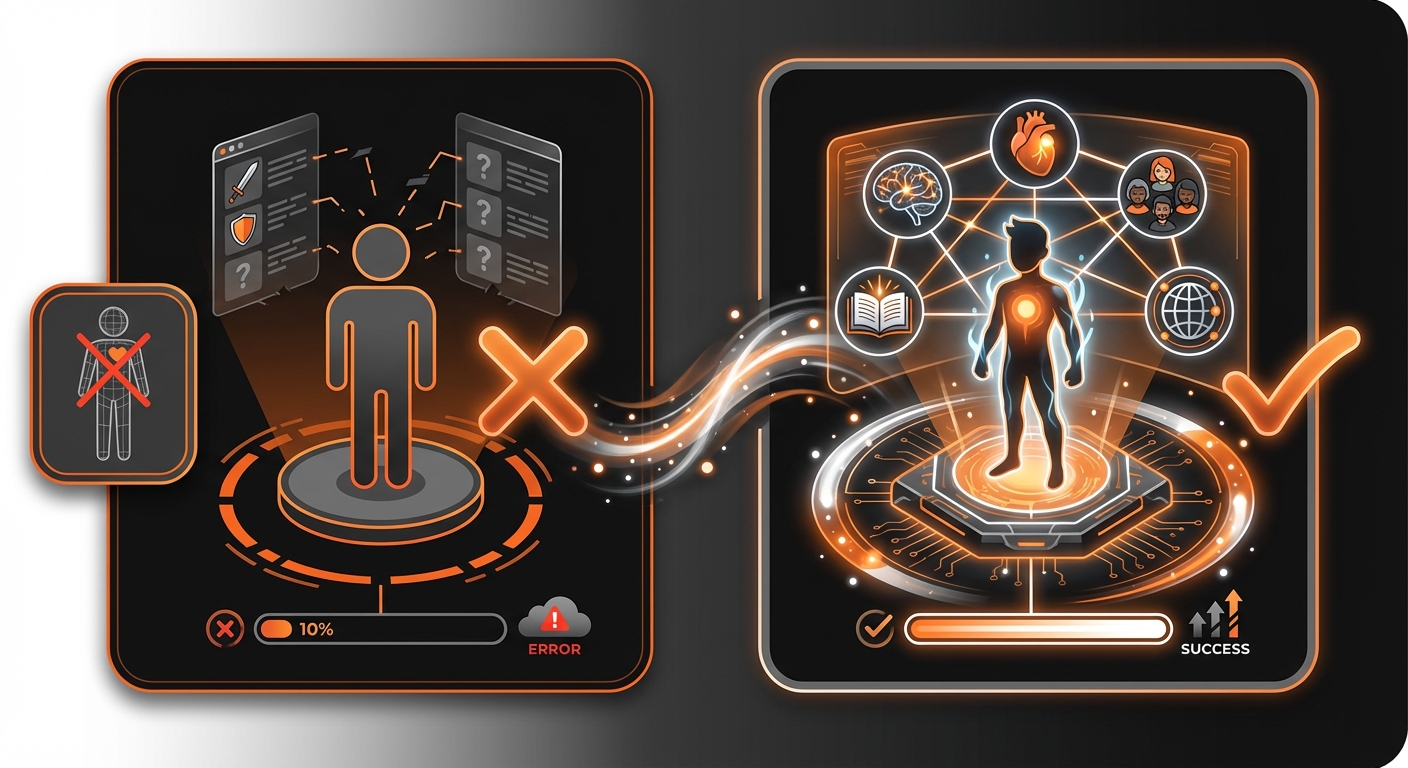
By following these steps, you will have moved beyond a simple avatar to a fully-realized character. The expected outcome is a character that is not only functional for gameplay but also emotionally resonant. Players will remember a well-crafted character long after they’ve finished the game. This connection is what transforms a good game into a great one.
Creating compelling characters is one of the most rewarding aspects of game development. It’s a blend of storytelling, art, and design that, when done right, creates unforgettable experiences. And with the powerful tools available today, you have everything you need to start. For those looking to dive in, exploring some of the best game creation tools for beginners in 2026 is a fantastic starting point.
Whether you’re designing your first hero or your hundredth, platforms like MakeGamesWithAI empower you to focus on the creativity of character design, letting you bring your vision to life faster than ever before.