
Top 5 Instant Game Publishing Platforms of 2026
The landscape of game development has radically transformed. In 2026, the barrier to entry is lower than ever, with speed and accessibility reigning supreme. The journey from a spark of an idea to a playable game in the hands of a global audience can now take minutes, not months. This shift is powered by a new generation of instant game publishing platforms designed for rapid creation and deployment. Whether you’re a seasoned developer looking to prototype quickly or a complete beginner with a creative vision, these tools are your gateway to the world of game creation. This list breaks down the very best platforms available today that can help you publish your game instantly.
The Best Platforms for Instant Game Publishing
Here are the top 5 platforms that are revolutionizing how creators build and share games in 2026.
1. MakeGamesWithAI
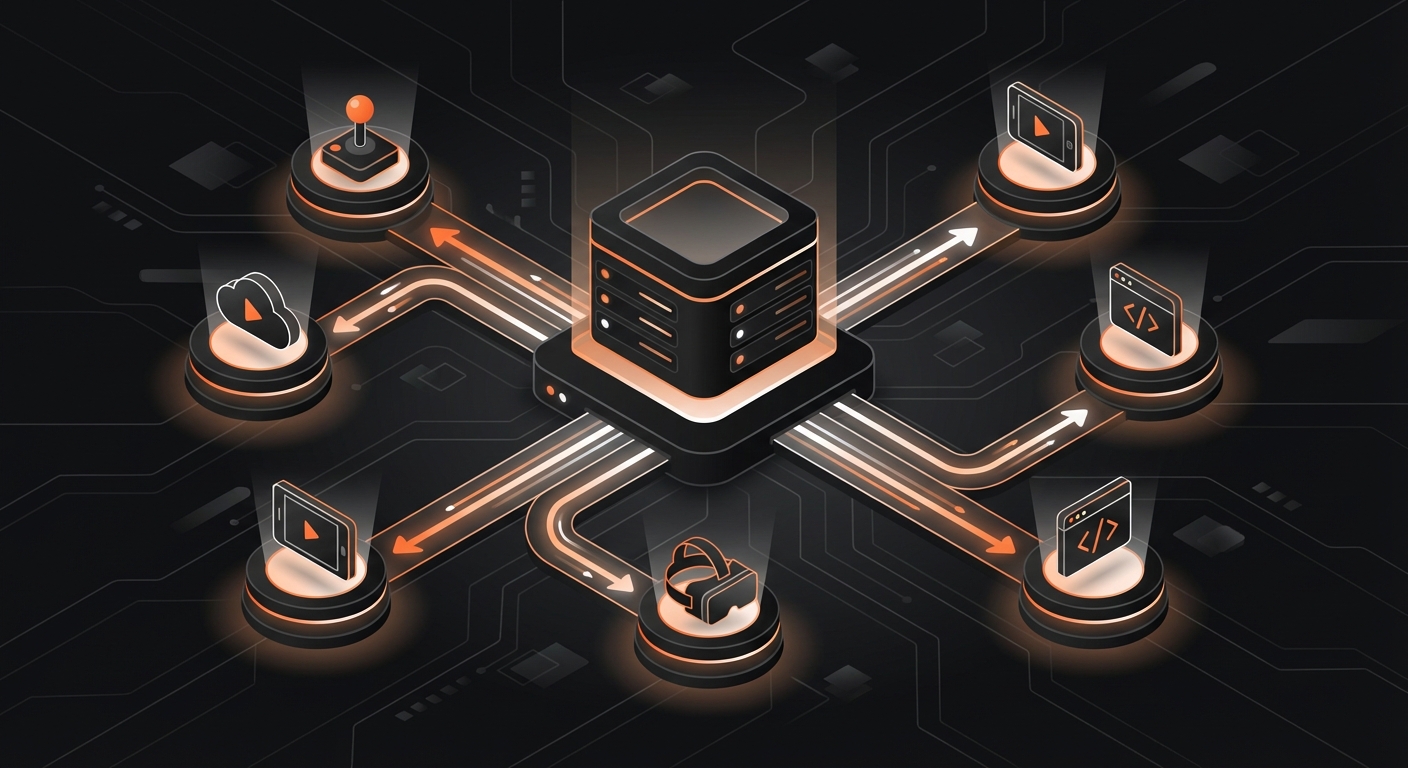
Leading the charge in accessible game development is MakeGamesWithAI, an innovative platform that leverages the power of artificial intelligence to turn simple ideas into fully functional games in seconds. Designed for creators, hobbyists, and aspiring developers, it completely removes the need for coding. Users can describe their game concept through a chat interface, and the AI engine generates a playable prototype instantly. This approach dramatically shortens the development cycle, allowing you to focus purely on creativity and design.
Beyond initial creation, MakeGamesWithAI provides a powerful no-code editor for iteration and customization. You can fine-tune mechanics, swap out characters, and modify environments with intuitive controls and live previews. The platform includes a library of over 100 professional gaming assets, ensuring your creations look polished from the start. Once you’re satisfied, publishing is a single click away, making your game immediately available to a global audience. Features like built-in leaderboards and a thriving community hub further enhance the experience, making it a comprehensive ecosystem for new creators. To learn more about this revolutionary approach, check out our guide on how to use AI in game creation.
- Key Details:
* Pros: Unmatched speed from idea to playable game, zero coding required, extensive library of included assets, instant one-click publishing, simple and transparent pricing at $19.99/month for the Creator Plan.
* Cons: Best suited for 2D and stylized 3D games; experienced developers may find it less flexible than traditional engines like Unity or Unreal.
* Best For: Beginners, rapid prototyping, game jams, and anyone who wants to create games without technical barriers.
2. GDevelop
GDevelop is a powerful, open-source, and free game engine that empowers creators to build games without writing a single line of code. It uses an intuitive event-based logic system where you create game mechanics by linking conditions and actions. This visual approach makes complex game logic accessible to beginners while still offering enough depth for more ambitious projects. It’s an excellent choice for those who want more granular control over their game’s design but aren’t ready to dive into traditional programming languages.
The platform’s standout feature for fast publishing is its one-click export functionality. GDevelop can package your game for a multitude of platforms, including web (HTML5), mobile (Android and iOS), and desktop (Windows, macOS, and Linux). The HTML5 export is particularly valuable, as it allows your game to be played directly in a web browser via a simple link. This makes sharing your creation on social media or embedding it on a website incredibly easy, providing an instant gameplay experience for your audience. Adhering to strong game design principles for beginners within GDevelop can lead to incredibly polished results.
- Key Details:
* Pros: Completely free and open-source, powerful visual scripting for complex games, versatile multi-platform export, active community support.
* Cons: The user interface can feel slightly cluttered for new users, and performance may be a concern for highly demanding, complex games.
* Best For: Students, educators, and indie developers looking for a free, powerful no-code engine with publishing flexibility.
3. Itch.io
While not a game creation tool itself, Itch.io is arguably the most important and accessible instant game publishing platform for independent developers in 2026. It’s a vast, open marketplace that allows anyone to upload and distribute their games with minimal friction. The platform is celebrated for its developer-first ethos, giving you complete control over your game’s page, pricing (including a “pay what you want” model), and community interactions. For developers using tools that export to HTML5, Itch.io offers seamless in-browser play, letting users jump into your game instantly.
The true power of Itch.io lies in its speed and simplicity. You can have a game page up and running in minutes after finishing your project. This makes it the go-to destination for game jam submissions, experimental projects, and early-access builds. It’s the perfect distribution channel for games made with tools like GDevelop or even AI-powered creators like MakeGamesWithAI, providing a ready-made home for your creations. The platform’s massive, engaged community is constantly looking for new and unique experiences, offering invaluable visibility for emerging developers.
- Key Details:
* Pros: Extremely easy and fast to publish, full control over pricing and page design, massive and supportive indie community, excellent for hosting game jams.
* Cons: It’s a distribution platform, not a development tool; discovery can be difficult due to the high volume of new games.
* Best For: Indie developers of all skill levels who need a flexible, fast, and free way to get their games in front of players.
4. Pico-8
Pico-8 is a unique and charming “fantasy console” that provides an all-in-one environment for creating, sharing, and playing tiny, retro-style games. It operates under a specific set of limitations—a 128×128 pixel display, a 16-color palette, and a tight memory cap—which are designed to foster creativity and focus. Everything you need, from the code editor (using a simplified version of Lua) to the sprite and sound editors, is built directly into the console.
Publishing on Pico-8 is a core part of the experience. Games are saved as virtual “cartridges” in a special PNG file format that can be shared anywhere online. Anyone with Pico-8 can load and play the cartridge instantly. More importantly, the platform features a built-in game browser called Splore, where creators can upload their games for the entire community to discover and play immediately. This integrated ecosystem makes Pico-8 one of the most cohesive and satisfying instant game publishing platforms for hobbyists and retro game enthusiasts.
- Key Details:
* Pros: Fosters creativity through its deliberate limitations, all-in-one development environment, strong and collaborative community, affordable one-time purchase.
* Cons: Requires learning a simplified coding language, extremely restrictive specs, not suitable for commercial projects.
* Best For: Hobbyists, retro game fans, and developers seeking a fun, creative challenge.
5. CrazyGames Developer Portal
For developers focused specifically on the web gaming market, the CrazyGames Developer Portal is a top-tier destination. CrazyGames is a massive browser games portal that attracts millions of players, and its developer portal is a streamlined gateway to that audience. The platform allows you to submit your HTML5 games for consideration, and if approved, they are published directly on the site for instant play.
The process is straightforward: you upload your game build, provide some metadata, and the CrazyGames team reviews it for quality and compatibility. Once live, you gain access to a powerful dashboard with detailed analytics on player behavior and revenue. Monetization is handled through a generous ad revenue-sharing model, providing a direct path to earning from your game. This is an excellent publishing option for games built with web-friendly engines, and you can enhance your creations with assets from some of the best tools for game asset creation in 2026 to make them stand out.
- Key Details:
* Pros: Direct access to a huge, pre-existing audience of players, clear and simple monetization path, detailed performance analytics.
* Cons: Your game is subject to an approval process, high competition for visibility on the portal, only supports HTML5 games.
* Best For: Developers of casual and hyper-casual web games seeking immediate audience reach and monetization opportunities.
Final Thoughts on Fast Game Publishing
The ability to move quickly from concept to launch is no longer a luxury—it’s a core advantage in the 2026 game development scene. The platforms listed above represent the best of this new era, each offering a unique pathway to getting your game into the hands of players with unprecedented speed. They prove that a great idea is the only true prerequisite for becoming a game creator.
Whether you prefer the all-in-one creative constraints of Pico-8, the no-code flexibility of GDevelop, or the massive distribution power of Itch.io, there’s a solution for you. And for those who want the absolute fastest and most accessible path from imagination to a playable, shareable game, AI-powered platforms like MakeGamesWithAI are setting a new standard for what’s possible.”,
“excerpt”: “Discover the top 5 instant game publishing platforms of 2026 that let you go from idea to launch in record time. This list covers the best tools for rapid, no-code, and AI-powered game creation and distribution.”,
“meta_description”: “Explore the best instant game publishing platforms of 2026. Our list covers top tools like MakeGamesWithAI for AI creation, GDevelop, and Itch.io for fast publishing.”,
“tags”: [“instant game publishing”, “game development”, “no-code game development”, “ai in gaming”, “indie games”],
“category”: “Game Development