AI Game Development for Small Teams: A 2025 Guide
For small game development studios, the biggest hurdles have always been time, budget, and manpower. Competing with AAA studios felt like an impossible dream. But in 2025, the landscape has dramatically shifted. The rise of powerful, accessible AI tools has leveled the playing field, making AI game development for small teams not just a possibility, but a strategic advantage. This technology acts as a force multiplier, automating tedious tasks and empowering creators to bring ambitious visions to life with unprecedented speed.
This guide will walk you through the step-by-step process of leveraging AI to build your next game, turning your lean team into a development powerhouse.
Why AI is a Game-Changer for Small Studios
Before we dive into the ‘how,’ let’s establish the ‘why.’ For a small team, AI isn’t just a novelty; it’s a lifeline. It automates asset creation, writes boilerplate code, generates level designs, and even helps with QA testing. This frees up your team’s most valuable resource—creative energy—to focus on what truly matters: crafting a fun and unique player experience.
With AI, you can:
- Prototype in Hours, Not Weeks: Instantly test new ideas and find the fun without investing hundreds of development hours.
- Reduce Asset Costs: Generate high-quality 2D and 3D assets, music, and sound effects without hiring specialized artists or buying expensive asset packs.
- Eliminate the Coding Barrier: Use no-code or natural language platforms to build complex game logic, making development accessible to everyone on the team, regardless of their technical background.
- Punch Above Your Weight: Create games with a level of polish and complexity that was previously only achievable by large, well-funded teams.
Step 1: Define Your Core Game Concept & Scope
Every great game starts with a solid idea. Before you touch any tool, your team needs to align on the core concept. What is the genre? Who is the target audience? What is the core gameplay loop—the central activity players will repeat?
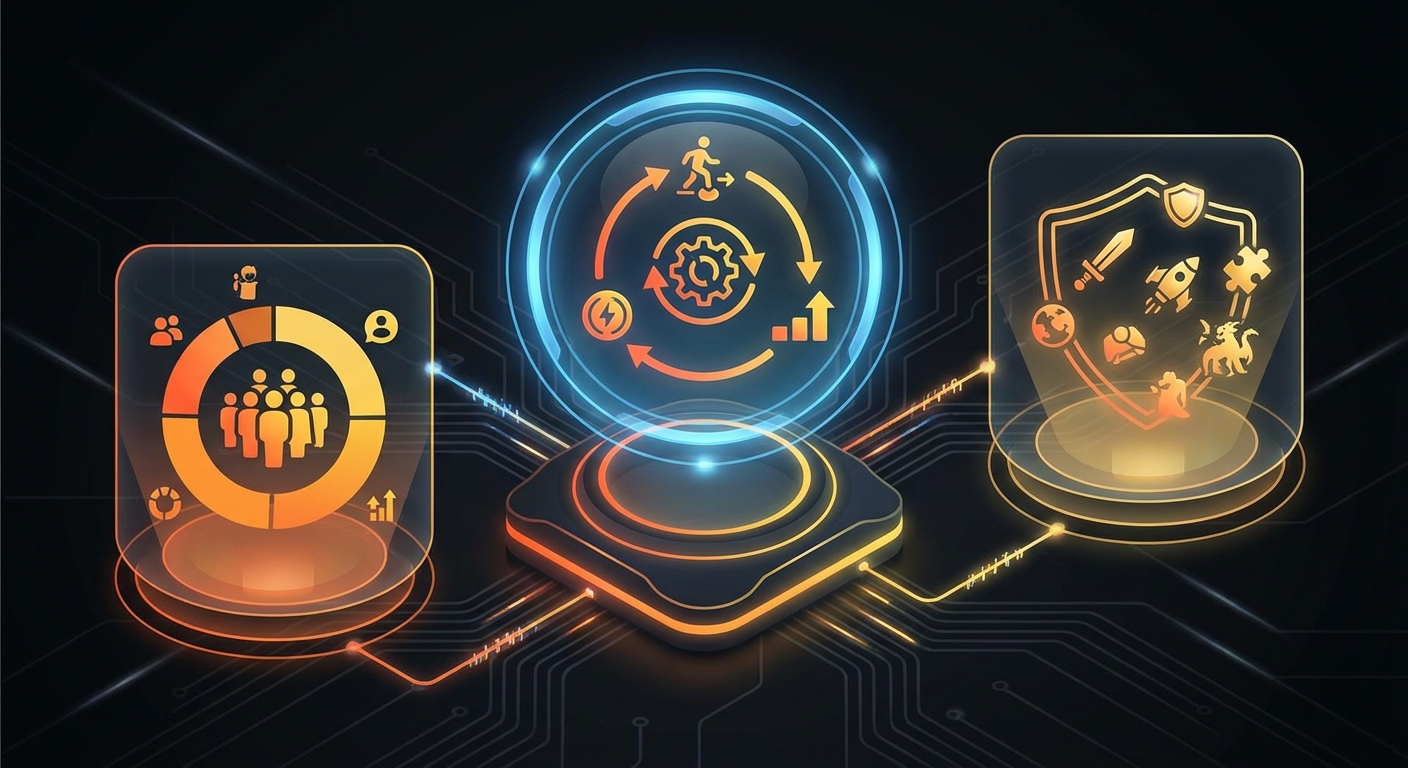
AI can be a powerful brainstorming partner here. Use text-to-idea generators to explore different themes or mechanic combinations. However, the final vision must be human-driven. The most crucial part of this step is defining a realistic scope. Small teams succeed by creating focused, polished experiences. Don’t try to build a massive open-world RPG for your first project. Start with a concept you can reasonably complete.
Pro-Tip:
Start with a one-sentence game pitch. For example: “A fast-paced puzzle game where you play as a chameleon who must change colors to navigate treacherous, shifting platforms.”
Step 2: Choose the Right AI-Powered Platform
Once you have your idea, you need the right tools to build it. The market for AI development tools has exploded, but not all are created equal. For small teams, an all-in-one, no-code platform is often the most efficient choice. It consolidates your workflow and removes technical friction.
Look for a platform that offers:
- Text-to-Game Generation: The ability to create a playable prototype from a simple text prompt.
- A Rich Asset Library: Access to a wide range of pre-made, professionally designed assets to save time and money.
- Intuitive Editing: A user-friendly interface that allows for easy modification of gameplay, visuals, and logic without writing code.
- Instant Deployment: The ability to share your game with testers or publish it to the web with a single click.
Platforms like MakeGamesWithAI are designed specifically for this purpose. You can describe your concept, choose from over 100 professional asset styles, and generate a playable game in seconds. This radically accelerates the early stages of development. To see how different platforms stack up, check out this list of the 11 Best AI Game Generators (December 2025).
Step 3: Generate and Refine Your Initial Prototype
This is where the magic happens. Using your chosen platform, feed your core game concept into the AI generator. In just a few moments, you should have a basic, playable version of your game. This initial build is your foundation.
Don’t expect it to be perfect. The goal of this stage is to create a functional prototype that you can use to test your core mechanics. Is the game fun? Is the central loop engaging? Play it, have your team play it, and identify what works and what doesn’t.
With a tool like MakeGamesWithAI, you can use the chat-based editor to make changes on the fly. Simply type what you want to change, such as “Make the player jump higher” or “Add more enemies that spawn every 10 seconds.” This rapid iteration loop is the key to finding the fun quickly. If you’re looking for inspiration, see just how fast you can get started with this guide on How to Build Arcade Games with AI Instantly.
Step 4: Create and Integrate Game Assets with AI
With a solid prototype, it’s time to build out the world. This is traditionally one of the most time-consuming and expensive parts of AI game development for small teams. AI generators can now create stunning visuals, from character sprites and concept art to 3D models and environmental textures.
However, for maximum efficiency, leverage platforms with integrated asset libraries. MakeGamesWithAI, for instance, includes a vast collection of characters, environments, and effects. This ensures a consistent art style and saves you from the tedious process of generating, exporting, and importing assets from multiple different tools.
Pro-Tip:
Establish a clear art direction early on. Even with AI, a consistent visual language is crucial for a professional-looking game. Use a mood board and consistent prompts to guide your asset generation.
Step 5: Implement Core Gameplay Mechanics and Logic
Building on your prototype, you’ll now flesh out the gameplay systems. This includes creating menus, designing levels, implementing scoring systems, and adding progression. In the past, this required extensive coding.
Today, AI-powered, no-code platforms handle the heavy lifting. Instead of writing lines of C# or C++, you can use visual scripting or natural language commands to define game logic. This approach is not only faster but also more accessible, allowing designers and artists to implement their own ideas without relying on a programmer. This democratization of development is a core benefit for small, multi-talented teams.
For those new to the process, understanding the fundamentals is still key. Even without code, you need to think like a developer. Resources like this guide to Game Development for Beginners: Create Your First Game Without Coding can provide a solid foundation.
Step 6: Test, Iterate, and Polish
No game is perfect on the first try. The final stage of development is a cycle of testing, gathering feedback, and polishing the experience. AI can assist here, too. Some advanced tools can run automated playtests to find bugs or identify balancing issues.
More practically for small teams, the speed of AI-powered platforms makes iteration incredibly fast. Features like live previews and instant publishing, found in MakeGamesWithAI, allow you to make a change and immediately see how it feels in-game or share a new version with your testers in seconds.
Common Mistakes to Avoid
AI is a powerful tool, but it’s not a magic wand. Here are some common pitfalls to watch out for:
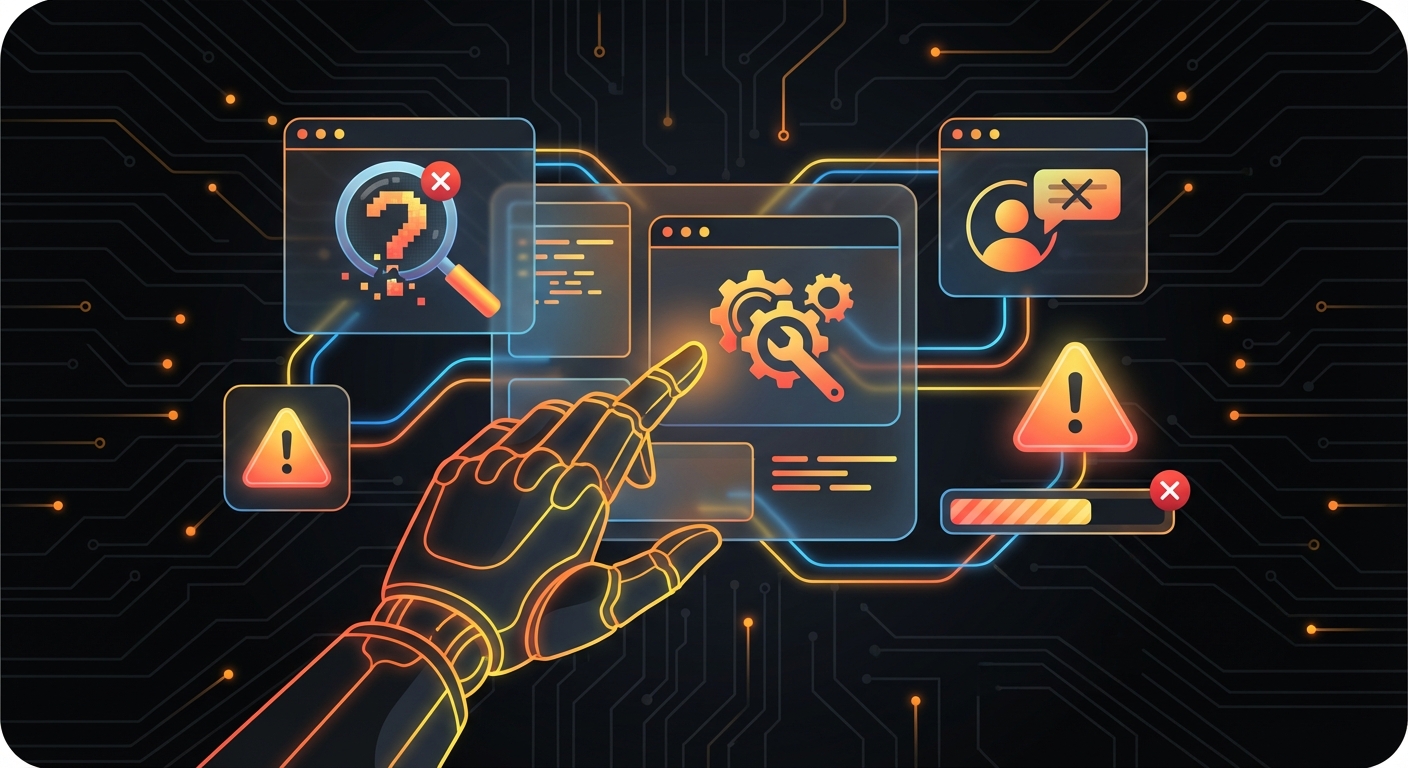
Losing Your Vision: Don’t let the AI dictate your game’s direction. Use it as a tool to execute your* creative vision, not as a replacement for it.
- Ignoring Game Design Fundamentals: AI can build mechanics, but it can’t tell you if they’re fun. Strong game design principles are more important than ever.
- Inconsistent Art Style: Mixing and matching AI-generated assets from different tools without a clear art direction can make your game look disjointed and unprofessional.
- Neglecting the Player Experience: Focus on the user interface (UI), controls, and overall feel. A technically impressive game that is frustrating to play will not succeed.
To better understand the role AI should play in your workflow, it’s helpful to learn more about AI for Game Development: What Is It & How Do You Use It?.
Expected Results: Your Small Team’s New Superpower
By following this process, your small team can achieve results that were once unimaginable. You can expect to slash your development timeline from years to months, or even weeks for smaller projects. You will be able to produce high-quality, polished prototypes to pitch to publishers or showcase to players.
Most importantly, you will be able to create and launch complete, commercially viable games with a fraction of the resources traditionally required. AI empowers you to focus on creativity and innovation, allowing your team’s talent to shine through.
Ready to get started? The world of AI game development for small teams is waiting. With platforms like MakeGamesWithAI, you can go from idea to playable game today, no coding required. Transform your concept into a reality and show the world what your small team can do.