
How to Monetize Mobile Games: A 2026 Guide
The global mobile gaming market is a behemoth, with revenue projections for 2026 soaring past the $250 billion mark. You’ve poured your creativity into developing a fantastic game, but the real challenge often lies in the next step: turning your passion into a profitable venture. This guide provides a clear, step-by-step framework on how to monetize mobile games effectively, ensuring you can build a sustainable business without alienating your player base.
Successfully monetizing a game is a blend of art and science. It requires a deep understanding of your players, a strategic approach to implementation, and a constant focus on the user experience. Let’s dive into the process.
Step 1: Analyze Your Game and Define Your Audience
Before you can choose a monetization model, you must understand the product and the people who will play it. This foundational step dictates which strategies will resonate and which will fail.
First, consider your game’s genre. Monetization that works for a hyper-casual title will likely frustrate players of a deep RPG.
- Hyper-Casual & Casual (e.g., Puzzle, Arcade): These games typically have short play sessions and a broad audience. They are prime candidates for In-App Advertising (IAA), especially rewarded video ads.
- Mid-Core & Hardcore (e.g., RPG, Strategy): These games foster a dedicated player base willing to invest time and money. In-App Purchases (IAP) for items, cosmetics, or progression boosts, along with Battle Passes, work very well here.
- Social & Lifestyle (e.g., Simulation, Social Casino): These genres thrive on long-term engagement and community. A mix of IAPs for virtual currency and subscriptions for VIP status is often effective.
Next, define your target player. Are they young students with more time than money, or busy professionals willing to pay to save time? Understanding their motivations and spending habits is critical to crafting offers that feel valuable, not predatory.
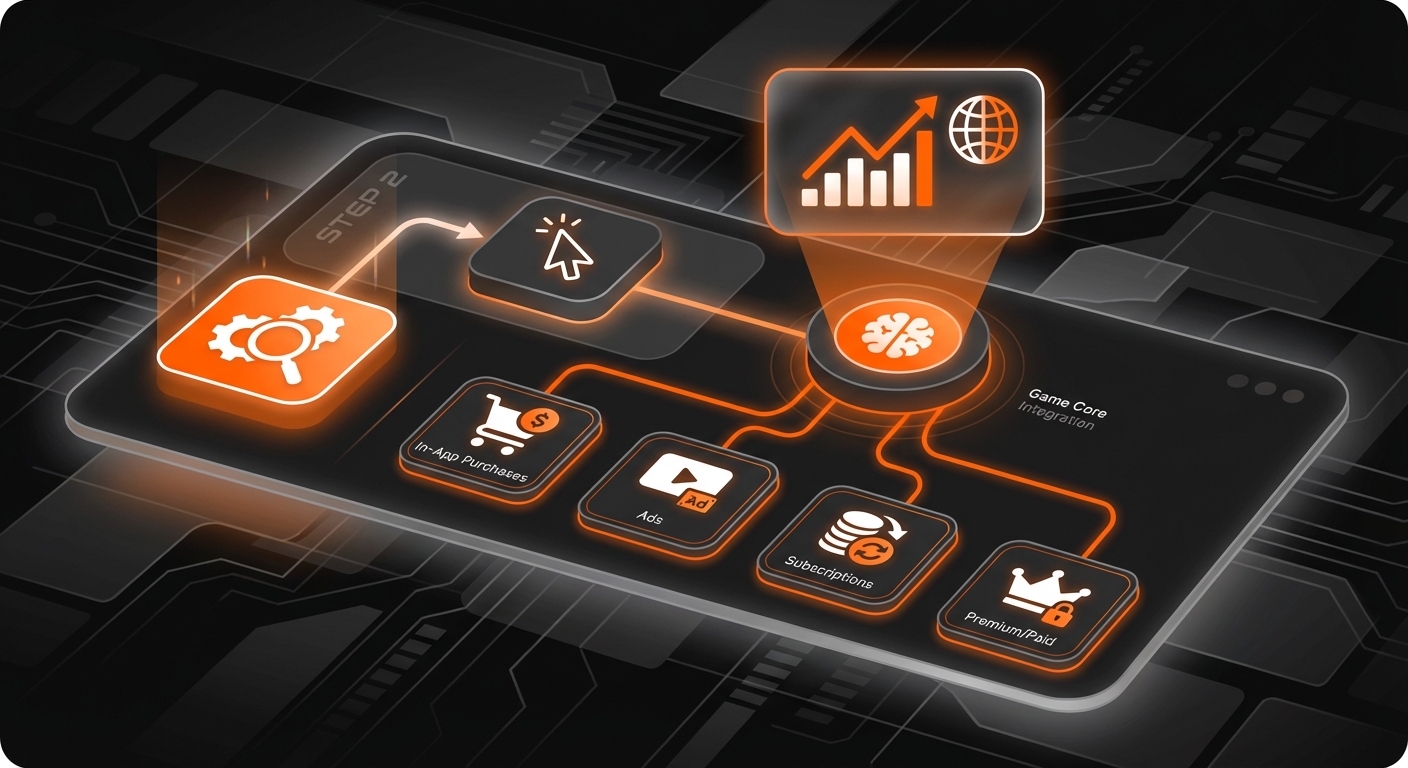
Step 2: Select Your Core Monetization Models
With a clear understanding of your game and audience, you can now explore the primary monetization models dominating the 2026 landscape. Most successful games use a combination of these.
In-App Purchases (IAP)
This classic model involves selling digital goods directly within your game. IAPs remain a powerhouse for revenue generation.
- Consumables: Single-use items like in-game currency, energy refills, or power-ups.
- Durables: Permanent items like new characters, exclusive levels, or cosmetic skins.
- Gacha/Loot Boxes: Randomized rewards. Warning: This model faces increasing regulatory scrutiny in 2026. Ensure you are transparent with drop rates and comply with all regional laws.
In-App Advertising (IAA)
IAA allows you to earn revenue by showing advertisements to your players. It’s the backbone of the free-to-play (F2P) economy.
- Rewarded Video Ads: Players opt-in to watch a short video ad in exchange for a specific reward (e.g., extra life, in-game currency). This is often the most player-friendly and effective ad format.
- Interstitial Ads: Full-screen ads that appear at natural breaks in gameplay, such as between levels.
- Banner Ads: Small, persistent banners typically displayed at the top or bottom of the screen. They are less intrusive but also generate lower revenue.
- Offerwalls: A dedicated section where players can complete tasks (like installing another app or taking a survey) for large in-game rewards.
Subscriptions and Battle Passes
This model provides recurring, predictable revenue by charging a regular fee for ongoing benefits.
- Subscriptions: A monthly or weekly fee for benefits like an ad-free experience, daily currency bonuses, or exclusive content. Tiered subscriptions are now a standard practice, offering different levels of value at different price points.
- Battle Passes: A time-limited progression system where players complete challenges to unlock tiers of rewards. Players can often participate for free but can purchase a premium pass for significantly better rewards.
Step 3: Implement a Hybrid Monetization Strategy
In 2026, relying on a single revenue stream is a risky proposition. The most successful mobile games blend multiple models to create a robust hybrid strategy. This approach caters to different types of players—from those who will never spend a dime (but will watch ads) to the “whales” who are happy to purchase IAPs.
A common and effective hybrid model is a free-to-play game that combines rewarded video ads with in-app purchases. You can also add a subscription option that removes forced interstitial ads and provides daily rewards. This gives players the ultimate choice in how they want to engage with your game’s economy.
Step 4: Integrate and Optimize Your Strategy
Choosing your models is just the beginning. The next step is technical integration and continuous optimization.
This involves integrating Software Development Kits (SDKs) from ad networks and payment gateways. For developers new to the technical side, this can be a complex hurdle. Platforms built on the principles of what is no-code game development? a 2026 guide are a massive advantage here. For instance, MakeGamesWithAI helps abstract away this complexity, allowing creators to focus on the game itself rather than wrestling with multiple SDKs.
Once integrated, the work isn’t over. Use analytics to:
- A/B Test: Experiment with different ad placements, IAP price points, and subscription benefits.
- Segment Players: Analyze player behavior to deliver personalized offers to different groups.
- Monitor KPIs: Track key metrics like ARPDAU (Average Revenue Per Daily Active User), LTV (Lifetime Value), and conversion rates to measure success.
Step 5: Always Prioritize the Player Experience
This is the golden rule of mobile game monetization. An aggressive, intrusive strategy might generate short-term revenue, but it will destroy your player retention and long-term viability. Your monetization should feel like a fair value exchange.
Every ad placement and purchase offer should be implemented thoughtfully. A positive player experience is one of the core 7 game design principles for beginners in 2026. If monetization feels like a punishment or a barrier, players will simply leave. Leveraging AI to personalize the experience can make a huge difference. In fact, learning how to use AI in game design: a 2026 guide can help you dynamically adjust offers and ad frequency based on individual player engagement, making the system feel much more organic.
Common Mistakes to Avoid
As you learn how to monetize mobile games, be wary of these common pitfalls:
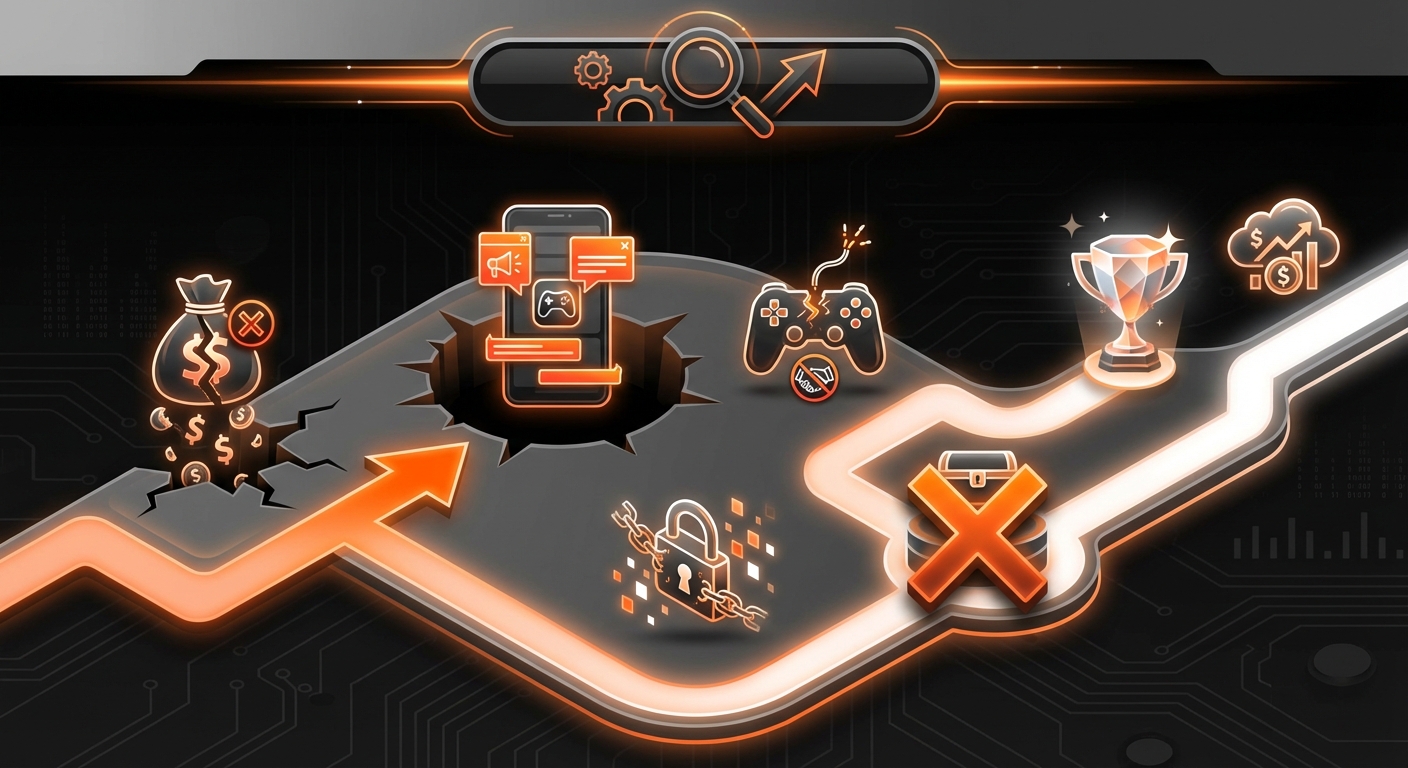
- Overwhelming New Players: Don’t bombard a user with pop-ups for starter packs and ads in their first session. Let them fall in love with your game first.
- Creating a Pay-to-Win Wall: If non-paying players cannot progress or compete, your game will be labeled as “pay-to-win,” which can be a death sentence for its reputation.
- Poor Ad Placement: Placing unskippable interstitial ads in the middle of an action sequence is a surefire way to frustrate players and earn a 1-star review.
- Ignoring Data: Failing to analyze performance data means you’re flying blind. You won’t know what’s working, what isn’t, or why.
Expected Results: A Sustainable Gaming Business
By following these steps, you can transform your mobile game from a creative project into a profitable business. The expected outcome is a balanced in-game economy that generates a consistent and scalable revenue stream. This allows you to reinvest in development, add new content, and fund marketing campaigns to attract even more players.
Ultimately, a well-executed monetization strategy leads to a higher player LTV, a healthier and more engaged community, and the financial stability needed to continue building the games you love.
In summary, the key is to understand your game, choose a flexible hybrid model, integrate it thoughtfully, and never lose sight of the player experience. Once your game is built and your monetization is planned, the final step is getting it to the players via one of the top 5 instant game publishing platforms of 2026.
Building a game from the ground up, let alone monetizing it, is a significant undertaking. Tools like MakeGamesWithAI empower you to create and publish games in seconds without code, freeing you up to focus on crafting a monetization strategy that respects your players and grows your business.