How to Promote Indie Games: A 2026 Step-by-Step Guide
You’ve poured countless hours into creating a unique and engaging game. The mechanics are polished, the art is stunning, and the story is compelling. But in the crowded digital marketplace of 2026, building a great game is only half the battle. Without a solid marketing strategy, even the most brilliant creation can go unnoticed. Understanding how to promote indie games effectively is the critical skill that separates a passion project from a commercial success.
This guide provides a clear, step-by-step framework to help you build buzz, cultivate a community, and ensure your game gets the attention it deserves on launch day and beyond.
Why Indie Game Promotion is Crucial in 2026
The digital landscape is more saturated than ever. Platforms like Steam, itch.io, and mobile app stores host millions of titles, with thousands more launching every month. In this environment, discoverability is your biggest challenge. A well-executed promotional strategy doesn’t just inform potential players that your game exists; it builds anticipation, fosters a loyal community, and convinces them that your game is worth their time and money. It’s the engine that drives wishlists, sales, and long-term success.
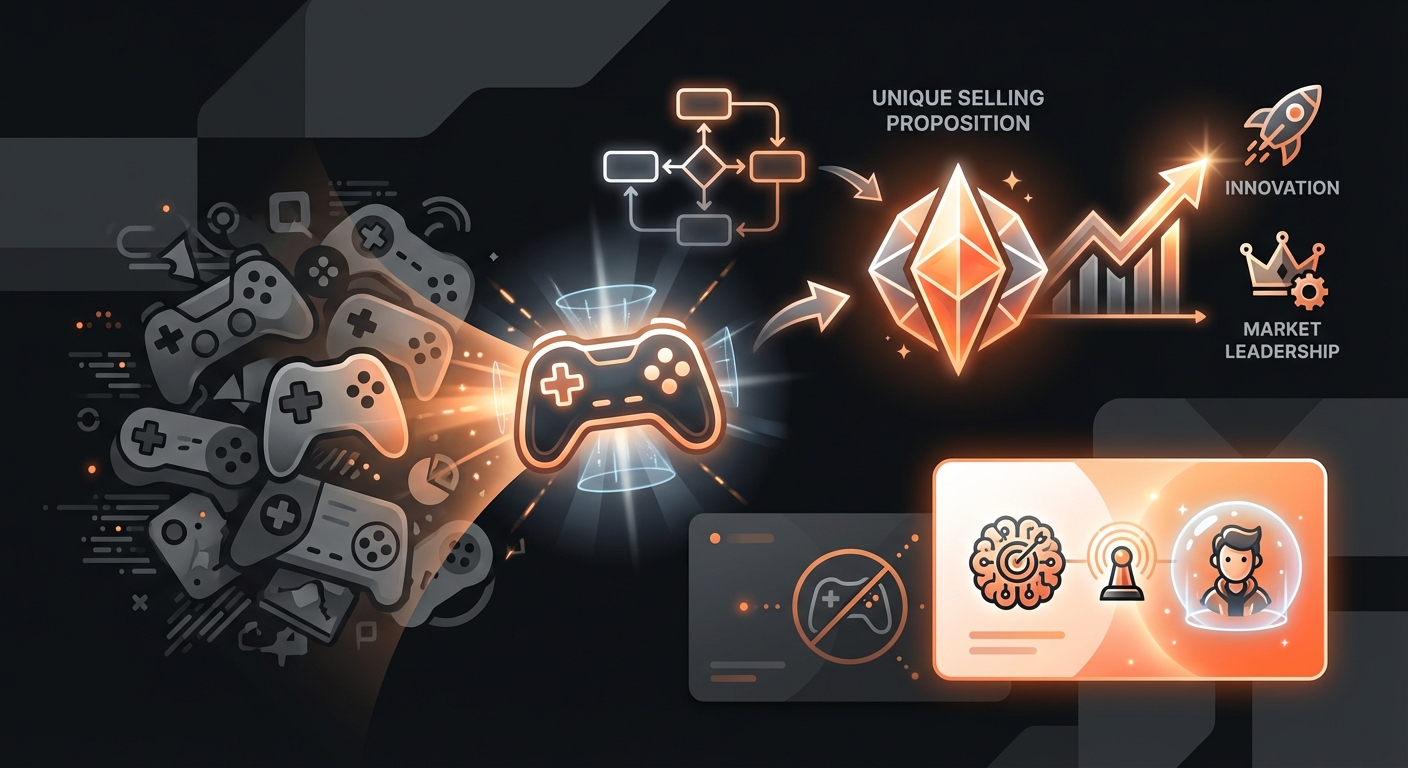
Step 1: Define Your Game’s Unique Selling Proposition (USP)
Before you can market your game, you need to know exactly what makes it special. Your Unique Selling Proposition (USP) is the core element that differentiates your game from everything else on the market. Is it a groundbreaking mechanic, a breathtaking art style, a deeply emotional narrative, or a new twist on a beloved genre?
To find your USP, ask yourself:
- What is the single most compelling feature of my game?
- Who is my target audience, and what will they love most about it?
- How can I describe my game in one exciting sentence?
Your USP will become the foundation of all your marketing messages. It’s your elevator pitch, the hook on your store page, and the core idea you communicate to press and influencers. A strong USP makes your game memorable. Nailing this is one of the most fundamental 7 Game Design Principles for Beginners in 2026 that directly impacts marketability.
Tip: Write down your USP and run it by people unfamiliar with your game. If their eyes light up and they ask questions, you’re on the right track.
Step 2: Build Your Pre-Launch Presence
Marketing should begin months, if not a year, before you plan to launch. The goal of the pre-launch phase is to build an audience that is eagerly awaiting your game’s release. Start early and be consistent.
Create a Compelling Press Kit
A press kit is a digital folder containing all the essential information about your game. Make it easy for journalists, streamers, and YouTubers to cover your project. It should include:
- A concise game description and fact sheet (platforms, price, release date).
- High-resolution screenshots and gameplay GIFs.
- Your game’s official trailer.
- Logos and key art.
- A brief developer biography.
Set Up Your Store Pages Early
Get your Steam, Epic Games Store, or itch.io page live as soon as you have a solid trailer and screenshots. The single most important call to action during the pre-launch phase is “Add to your Wishlist.” Wishlists are a key metric that platform algorithms use to determine visibility at launch. A beautiful, well-written store page is your most powerful tool for converting interest into a wishlist.
Establish a Social Media Footprint
Choose 2-3 platforms where your target audience is most active. For 2026, the key players for indie games are:
- X (formerly Twitter): Perfect for quick updates, sharing GIFs, and connecting with other developers and press (#screenshotsaturday is a must).
- TikTok: Unmatched for viral potential with short, punchy videos showcasing unique gameplay moments.
- Reddit: Find your niche in subreddits like r/indiegames, r/gamedev, and genre-specific communities. Be an active member, not just a promoter.
- Discord: Create a server to build a core community of your most dedicated fans.
Step 3: Content Marketing for Indie Developers
Content marketing is about sharing your development journey to build an authentic connection with your audience. People love to see how games are made.
Start a Devlog
Document your progress through blog posts, YouTube videos, or even a detailed thread on X. Share your triumphs, your struggles, and your creative process. This transparency builds trust and makes people feel invested in your project. This is also a fantastic way to explore and explain how to use AI in game design if you are leveraging new technologies to bring your vision to life.
Leverage Short-Form Video
In 2026, short-form video is king. Create engaging clips for TikTok, YouTube Shorts, and Instagram Reels that are:
- Satisfying: Showcasing a smooth animation or a perfect combo.
- Funny: Highlighting an unexpected bug or silly character interaction.
- Informative: A quick tutorial on a cool game mechanic.
Platforms like MakeGamesWithAI can significantly speed up your development pipeline, giving you more time to focus on creating this crucial marketing content. With AI-assisted tools, you can generate assets and iterate on ideas in seconds, providing a steady stream of engaging updates for your community.
Step 4: Reach Out to Press and Influencers
Getting your game covered by a respected outlet or a popular streamer can provide a massive visibility boost. This requires a targeted and professional approach.
How to Find the Right People
Don’t blast your press release to every email address you can find. Research creators who play and enjoy games in your specific genre. A micro-influencer with 1,000 dedicated fans of roguelike games is far more valuable than a mega-influencer with 1 million fans who only play AAA shooters.
Crafting the Perfect Pitch
- Personalize it: Address the person by name and mention a recent video or article of theirs you enjoyed.
- Be concise: Quickly introduce your game, explain your USP, and state why you think their audience would love it.
- Make it easy: Link directly to your trailer, store page, and press kit. Importantly, include a game key so they can play it immediately.
Warning: A generic, mass-emailed pitch is the fastest way to be ignored. Quality over quantity is the key to successful outreach.
Step 5: Execute a Strong Launch and Post-Launch Plan
Launch day is not the finish line; it’s the starting pistol for the next phase of your game’s life.
Coordinate Your Launch
Activate your network. Remind your email list and social media followers that the game is now available. Coordinate with any influencers who have agreed to cover the game to post their content on or around your launch day to maximize momentum. Leveraging one of the top 5 instant game publishing platforms of 2026 can help streamline this process, ensuring a smooth release.
Engage With Your Community
Be present and active. Monitor your Steam forums, Discord, and social media mentions. Thank players for their support, respond to reviews (both positive and negative), and be transparent about future updates or bug fixes. A responsive developer can turn a hesitant buyer into a lifelong fan.
Common Mistakes to Avoid When Promoting Your Indie Game
- Starting Too Late: Marketing is not an afterthought. It should be integrated into your development process from the beginning.
- Ignoring Your Audience: Don’t build in a vacuum. Listen to feedback from playtesters and your community.
- Not Having a Press Kit: Making it difficult for press and influencers to get information is a huge unforced error.
- Spamming: Posting irrelevant self-promo links in online communities will get you banned and damage your reputation.
- Giving Up After Launch: The first week is critical. Stay engaged, push for visibility, and support your players.
Expected Results: What a Good Promotion Strategy Achieves
By following these steps, you are no longer just hoping for success; you are engineering it. A well-executed promotional plan leads to tangible results:
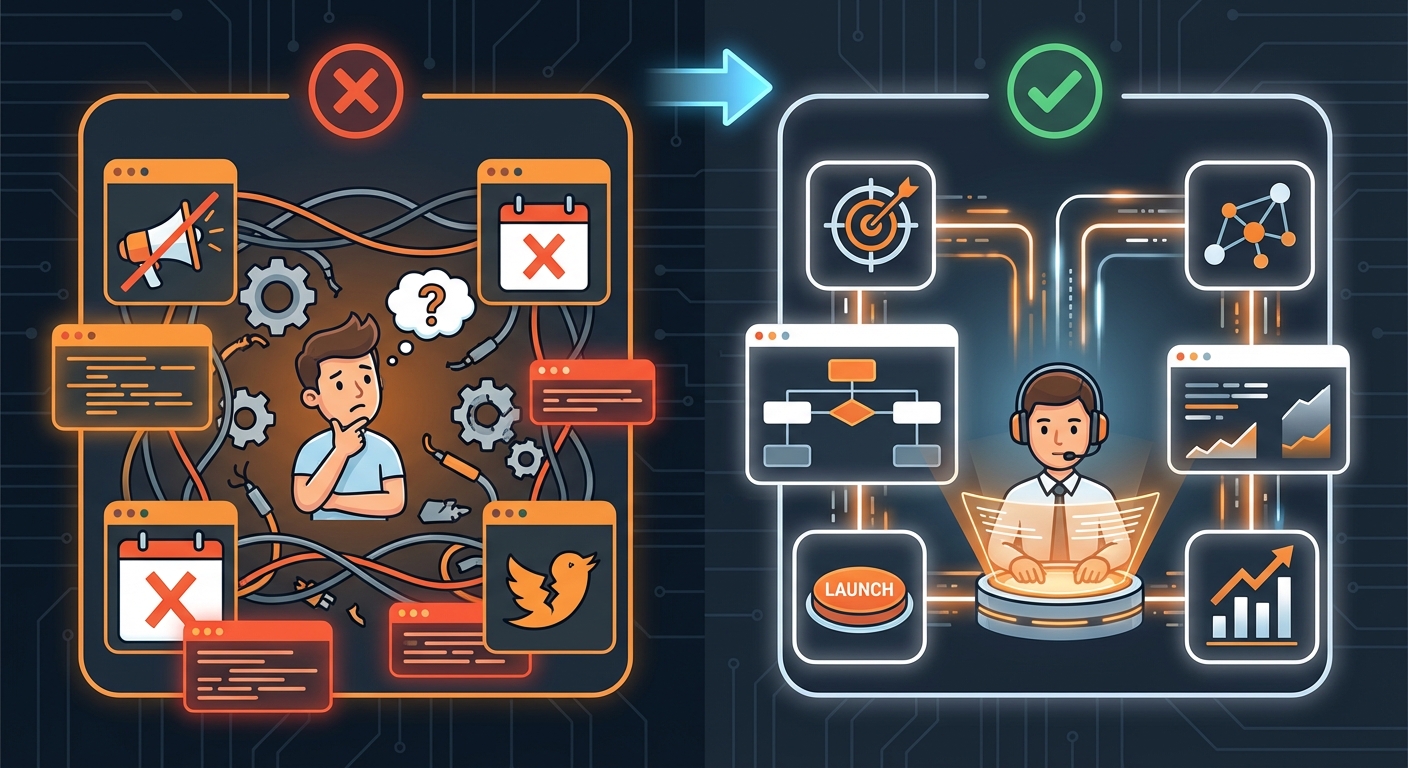
- A high number of pre-launch wishlists, boosting your game’s visibility in platform algorithms.
- An engaged community that provides valuable feedback and acts as brand evangelists.
- Positive press and influencer coverage that drives organic traffic and sales.
- A successful launch that provides the financial foundation for bug fixes, content updates, and your next great game.
Conclusion
Learning how to promote indie games is a skill as vital as coding or art design. It requires planning, consistency, and a genuine effort to connect with the players you made your game for. By defining your USP, building a presence early, creating valuable content, and engaging with your community, you can cut through the noise and give your game the best possible chance to succeed.
As game creation becomes more accessible through what is no-code game development, the importance of marketing only grows. By using streamlined creation tools like MakeGamesWithAI, you can free up valuable time to focus on building a community and executing a powerful marketing strategy, turning your creative vision into a commercial success.