How to Promote Your Game in 2026: A Step-by-Step Guide
You’ve poured countless hours into designing, developing, and perfecting your game. The mechanics are smooth, the art is stunning, and the story is compelling. But in the crowded digital marketplace of 2026, creating a great game is only half the battle. The next, and arguably more challenging, phase is getting people to actually play it. This is where a strategic marketing plan becomes your most powerful tool. This guide will walk you through exactly how to promote your game effectively, from pre-launch hype to post-launch success.
Building a game has never been more accessible, thanks to innovative tools that handle the heavy lifting on the development side. For instance, platforms like MakeGamesWithAI allow creators to turn ideas into playable games without writing a single line of code, freeing up valuable time to focus on what comes next: building a community and a successful launch.
Step 1: Define Your Niche and Target Audience
Before you can market your game, you need to know who you’re marketing it to. Broadcasting your message to everyone is inefficient and ineffective. The key is to find the specific group of players who will love your game.
Identify Your Player Persona
Create a detailed profile of your ideal player. Ask questions like:
- Demographics: What is their age, location, and occupation?
- Gaming Habits: What other games do they play? What platforms do they use (PC, console, mobile)? How much time do they spend gaming?
- Online Behavior: Where do they get their gaming news? Which subreddits, Discord servers, or social media platforms do they frequent?
Understanding this will help you tailor your messaging and choose the right channels to reach them.
Pinpoint Your Unique Selling Proposition (USP)
The 2026 gaming landscape is saturated. What makes your game different? Is it the innovative AI-driven narrative, a unique art style, or a fresh take on a beloved genre? Your USP is the core of your marketing message—it’s the reason a player should choose your game over thousands of others.
Step 2: Build a Strong Pre-Launch Foundation
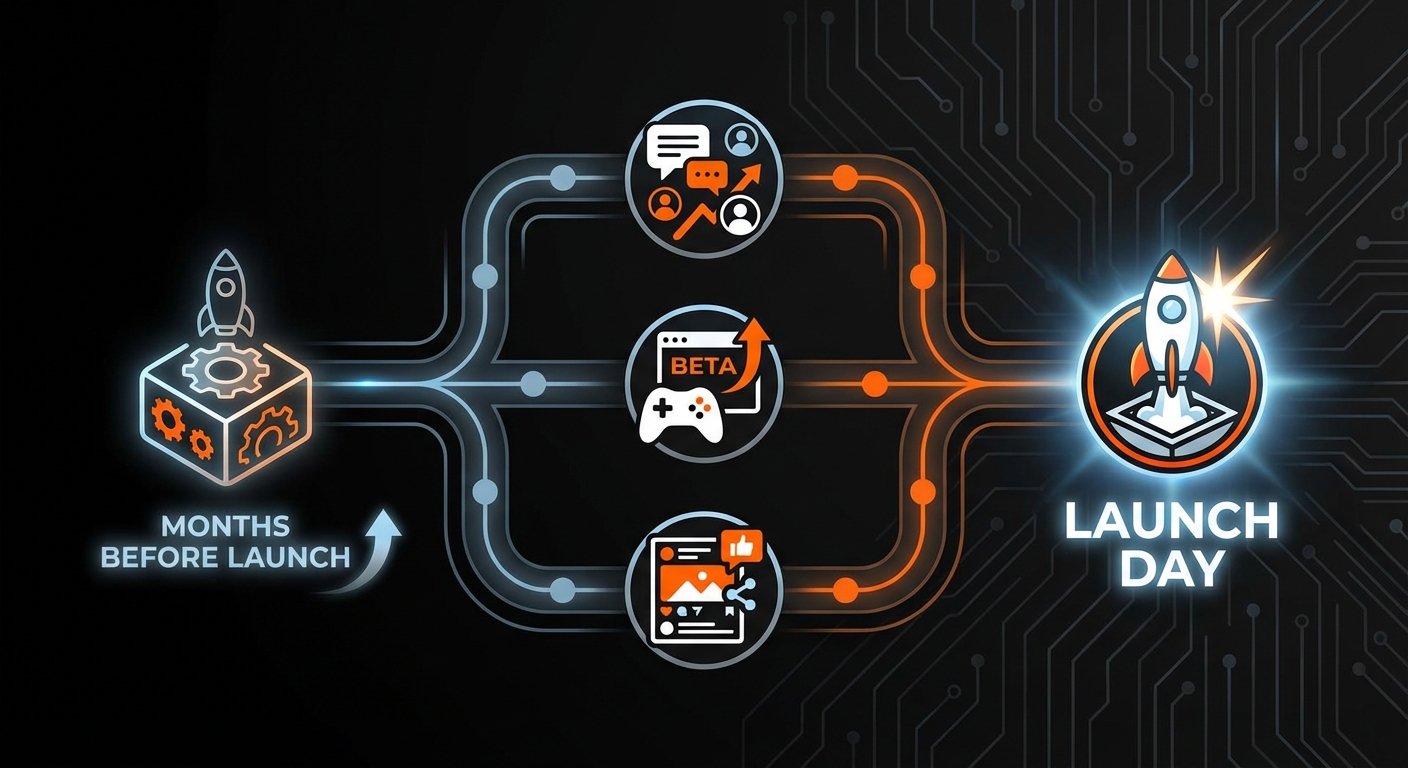
Marketing shouldn’t start on launch day. The most successful indie games begin building a community months, or even years, in advance. This pre-launch phase is all about generating awareness and excitement.
Create a Central Hub: Your Landing Page
Every game needs a professional landing page. This is the central repository for all information about your game. It should include:
- A compelling game trailer (more on this in the next step).
- High-quality screenshots and GIFs.
- A clear description of the game, highlighting its USP.
- A press kit with downloadable assets for media and influencers.
- A prominent call-to-action (CTA), such as “Wishlist on Steam” or “Join our Discord.”
Start a Devlog and Engage on Social Media
Documenting your development journey is a powerful way to build a following. Share behind-the-scenes content, progress updates, and challenges you overcome. Choose one or two social media platforms where your target audience is most active—whether it’s TikTok for short-form video, X (formerly Twitter) for industry networking, or Instagram for visual showcases.
Tip: Consistency is key. Even small, regular updates keep your audience engaged and make them feel like part of the development process.
Step 3: Develop High-Quality Marketing Assets
First impressions are critical. Your marketing assets are often the first time a potential player will see your game, so they need to be polished and professional.
The All-Important Game Trailer
Your trailer is your single most important marketing asset. Keep it short (60-90 seconds) and focus on showcasing actual gameplay that reflects the core experience. Start with a strong hook in the first 5-10 seconds to grab attention. A well-made trailer can be the difference between a scroll-past and a wishlist.
Screenshots, GIFs, and Key Art
Visuals sell games. Curate a set of dynamic screenshots that show off different environments, characters, and key moments. Animated GIFs are perfect for social media, capturing exciting action in a bite-sized format. Invest in professional key art that serves as your game’s visual identity across all platforms. Even if you’re not an artist, you can find excellent resources and information on the best tools for game asset creation in 2026 to help you get started.
Step 4: Engage with Communities and Influencers
Now that you have your assets, it’s time to get them in front of people. Tapping into existing communities and leveraging influencers can massively expand your reach.
Participate in Online Communities
Become an active member of communities where your target audience gathers. This includes subreddits like r/IndieGaming, genre-specific Discord servers, and online forums. The golden rule is to provide value before you ask for anything. Share your expertise, comment on other projects, and only post about your game when it’s relevant and appropriate (e.g., in a “Screenshot Saturday” thread).
Conduct Influencer and Press Outreach
Create a list of YouTubers, Twitch streamers, and journalists who cover games in your niche. Focus on micro-influencers (1,000-50,000 followers) first, as they often have highly engaged communities and are more accessible. Craft a personalized, concise email that introduces your game, explains why it’s a good fit for their channel, and provides a free game key and a link to your press kit.
Warning: Do not send mass, generic emails. Personalization shows you’ve done your research and respect their work.
Step 5: Execute a Strategic Launch and Post-Launch Plan
The work doesn’t end when you hit the “publish” button. A strong launch week and continued support are crucial for long-term success.
Choose Your Publishing Platform
Where you launch matters. Steam is the dominant PC platform, but Itch.io is fantastic for experimental indie games and building a community. For those looking for simplicity, some modern game creation tools offer built-in publishing. The instant deployment feature in MakeGamesWithAI, for example, is one of several great options on the list of the top 5 instant game publishing platforms of 2026.
Support Your Game After Launch
Monitor feedback from players and be prepared to release patches and updates. Engaging with your community, fixing bugs, and potentially adding new content shows that you are a dedicated developer. This not only improves the game but also fosters goodwill and encourages positive reviews, which are vital for algorithm visibility.
Common Mistakes to Avoid
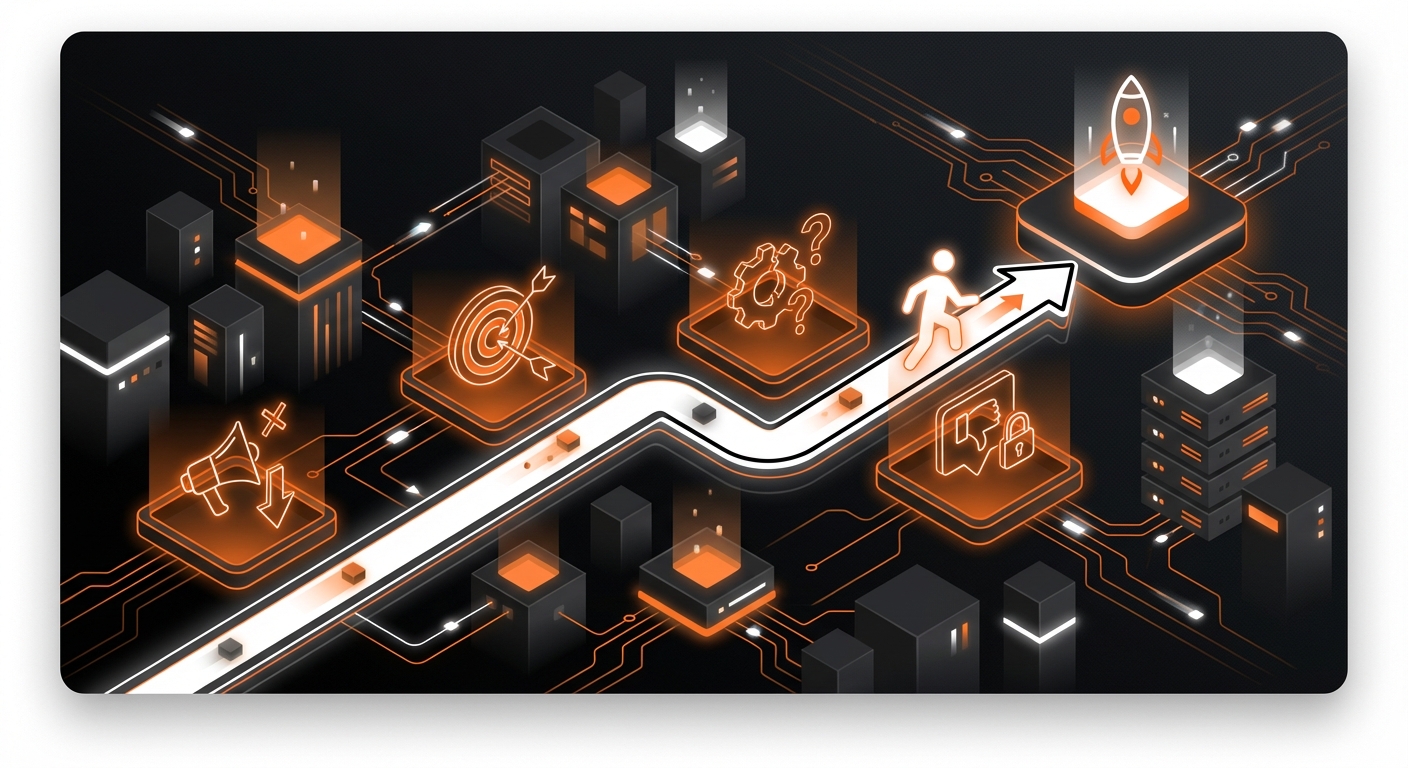
Learning how to promote your game also means knowing what not to do. Avoid these common pitfalls:
- Starting Too Late: Marketing is not an afterthought. It should begin early in the development cycle.
- Spamming: Dropping links to your game everywhere without context will get you ignored or banned.
- Ignoring Feedback: Your early players are your best source of information. Listen to them.
- Having No Clear Call to Action: Always tell your audience what you want them to do next (wishlist, follow, play the demo, etc.).
- Neglecting a Press Kit: Make it as easy as possible for media and influencers to cover your game.
Expected Outcomes of a Solid Promotion Strategy
By following these steps, you move from simply releasing a game to orchestrating a successful launch. The expected results include:
- A significant number of pre-launch wishlists, which boosts store visibility on day one.
- An engaged community that acts as your most passionate advocates.
- Coverage from press and influencers, driving organic traffic and sales.
- Stronger launch day performance and sustained momentum in the weeks that follow.
Ultimately, a great promotion strategy ensures that your hard work finds the audience it deserves. Knowing the core 7 game design principles for beginners in 2026 is vital for making a good game, but promotion is what makes it a successful one.
Knowing how to promote your game is a critical skill for any developer in 2026. It requires planning, persistence, and a genuine effort to connect with players. While it can seem daunting, breaking it down into these manageable steps makes the process achievable. And with creation becoming more accessible through what is no-code game development? A 2026 guide, developers have more time than ever to focus on building the community that will make their game a hit. Platforms like MakeGamesWithAI are designed to handle the technical complexities, letting your creativity shine while you execute the perfect marketing plan.